



How to Choose the Best Rollator Walker in Australia (2026 Guide)
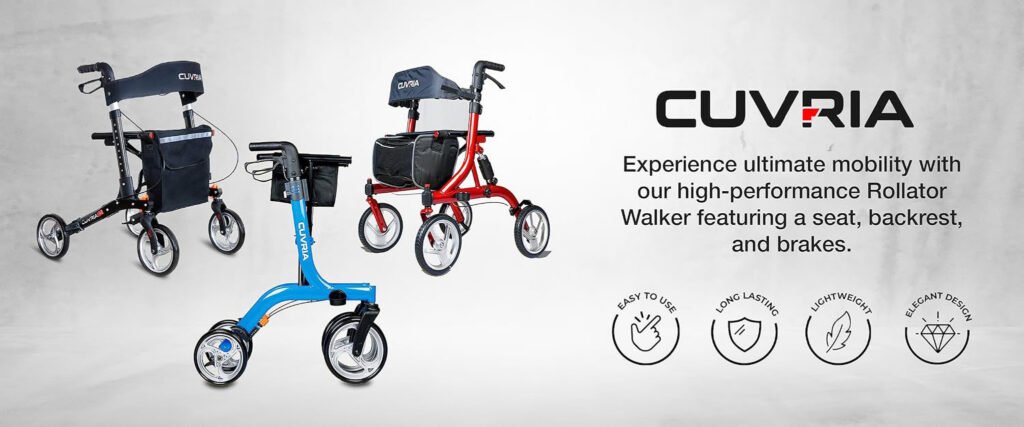
Choosing the best rollator walker can significantly improve comfort, independence, and confidence in everyday life. A rollator walker provides support, stability, and a convenient place to rest when needed, making it an excellent mobility aid for seniors and individuals with limited mobility. Whether you are looking for a lightweight 4 wheel walker for indoor use or a durable outdoor model with larger wheels, understanding the key features will help you make an informed decision and find the best rollator walker for your needs.

1. UNDERSTAND THE PURPOSE OF A ROLLATOR WALKER
A rollator walker is designed to provide balance, support, and greater freedom of movement for people who need assistance while walking. Unlike traditional walking frames that must be lifted with each step, a rollator walker uses wheels to allow smoother and more natural movement. Most models also include hand brakes, a built-in seat, and a storage bag, making them practical for shopping trips, outdoor walks, and everyday activities. For many users, a rollator walker helps maintain independence while reducing the risk of falls and fatigue.
For additional mobility information, visit the Australian Government’s aged care resources. My Aged Care
Key Benefits of a Rollator Walker
The main benefits of a rollator walker include improved stability, reduced strain on joints, increased walking confidence, and the ability to rest whenever needed. Many modern rollator walkers are lightweight, foldable, and easy to transport, making them suitable for both indoor and outdoor use.
WHO CAN BENEFIT FROM A ROLLATOR WALKER?
A rollator walker is suitable for a wide range of users who need additional support, balance, or confidence while walking. Whether recovering from surgery, managing a long-term health condition, or simply looking for greater stability during everyday activities, A quality mobility walker can help improve mobility and independence. The combination of wheels, hand brakes, and a built-in seat makes it a practical mobility aid for both indoor and outdoor use.
- Seniors experiencing mild to moderate mobility challenges
- Individuals recovering from surgery, injury, or illness
- People living with arthritis, Parkinson’s disease, COPD, or other chronic conditions
- Individuals who experience fatigue when walking longer distances
- Anyone seeking greater stability, confidence, and independence during daily activities
Understanding your mobility needs, lifestyle, and daily activities will help you choose the best rollator walker for long-term comfort, safety, and independence.
2. TYPES OF ROLLATOR WALKER
Rollator walkers are available in several designs to suit different mobility needs, lifestyles, and environments. Understanding the different types of rollator walkers can help you choose the model that offers the right balance of comfort, portability, support, and convenience.
Standard Rollators
-
Features:
- Four-wheel design with hand brakes, seat, and storage bag
- Suitable for both indoor and outdoor use
- Comfortable for everyday walking and shopping
Best For:
- General daily use
- Seniors seeking a balance of comfort, support, and affordability
Lightweight Rollators
-
Features:
- Lightweight frame for easy lifting and transport
- Quick-fold design for storage and travel
- Easy to manoeuvre in tighter spaces
Best For:
- Travellers
- Users who frequently load the rollator into a car
- People seeking a compact and portable solution
Bariatric Rollators
-
Features:
- Reinforced frame construction
- Wider seat and larger weight capacity
- Enhanced stability and support
Best For:
- Larger users
- Individuals requiring additional strength and durability
Specialty Rollators
-
Features:
- Designed for specific mobility requirements
- May include larger wheels, narrow frames, or advanced comfort features
- Optimised for specialised environments
Best For:
- Users with unique mobility needs
- Outdoor use and varied terrain
3. key features to consider
When choosing the best rollator walker, it is important to consider the features that will have the greatest impact on comfort, safety, and everyday usability. The following factors can help you compare different models and select the right rollator walker for your needs.
a) Wheels
- Larger wheels (8–10 inches) provide better performance on uneven footpaths, parks, and outdoor surfaces.
- Smaller wheels are generally better suited to smooth indoor environments.
- Durable rubber or polyurethane wheels help deliver a smoother and more comfortable ride.
b) Braking System
- Easy-to-use hand brakes improve safety and control while walking.
- Locking brakes are essential when sitting on the seat or parking the rollator.
- Check that the brake handles are comfortable and easy to operate.
c) Seat and Backrest
- Lightweight rollator walkers are easier to lift, transport, and store.
- Consider the folded dimensions to ensure the rollator fits comfortably in your vehicle.
- Frequent travellers may benefit from a compact quick-fold design.
d) Weight and Portability
- Standard rollator walkers typically support up to 136 kg, while bariatric models may support up to 200 kg or more. Always choose a rollator walker with a weight capacity suitable for the user.
e) Height Adjustability
- Adjustable handles allow the rollator walker to be customised for different user heights.
- Proper handle height helps maintain good posture and reduces strain on the shoulders, back, and wrists.
- Choose a rollator walker with an adjustment range that comfortably matches the user’s height.
f) Weight Capacity
- Always check the maximum weight capacity before purchasing a rollator walker.
- Most standard rollator walkers support up to 136 kg, while bariatric models may support 200 kg or more.
- Choosing the correct weight capacity improves safety, stability, and long-term durability.
g) Storage Options
- A removable storage bag or shopping pouch makes it easy to carry personal belongings.
- Look for a rollator walker with sufficient storage for shopping, medication, water bottles, or everyday essentials.
- Easy-access storage compartments can improve convenience during longer outings.

Senior using a rollator walker to maintain mobility and independence.
3. KEY ROLLATOR WALKER FEATURES TO CONSIDER
Before choosing a rollator walker, take time to consider how and where it will be used. Your lifestyle, environment, and mobility requirements will help determine which rollator walker features are most important for comfort, safety, and convenience.
a) Environment
-
Indoor Use
- Compact rollator walkers are easier to manoeuvre through hallways, doorways, and smaller living spaces.
- Smaller turning circles can improve convenience around the home.
Outdoor Use
- Larger wheels (8–10 inches) provide better stability on footpaths, parks, grass, and uneven surfaces.
- Stronger frames and comfortable seats are beneficial for longer outdoor walks.
b) Frequency of Use
- If you use your rollator walker every day, prioritise comfort, durability, and adjustable features.
- Frequent users may benefit from larger wheels, a padded seat, and ergonomic handles.
- Occasional users may prefer a lightweight foldable rollator walker for convenience and transport.
c) Physical Condition
- Consider your strength, balance, and overall mobility when selecting a rollator walker.
- Ensure the hand brakes are easy to operate and the frame is comfortable to control.
- Users with arthritis or reduced grip strength may benefit from ergonomic handles and easy-adjust controls.
- If you have specific medical requirements, consult your healthcare professional before purchasing a mobility aid.
5. CHOOSING THE RIGHT ROLLATOR WALKER FOR YOUR LIFESTYLE
A) FOR EVERYDAY USE
If you use your rollator walker daily, prioritise comfort, durability, adjustable handles, and a comfortable seat. Larger wheels and a stable frame can make longer walks more enjoyable.
B) FOR TRAVEL AND TRANSPORT
Lightweight foldable rollator walkers are easier to lift into a vehicle and store when not in use. Compact folding designs are particularly useful for regular travel.
C) FOR OUTDOOR WALKING
Users who frequently walk outdoors should consider rollator walkers with larger wheels, durable tyres, and a strong frame capable of handling footpaths, parks, and uneven surfaces.
D) FOR LARGER USERS
Bariatric rollator walkers provide additional seat width, greater stability, and higher weight capacities for users requiring extra support.
6. TRYING A ROLLATOR WALKER BEFORE BUYING
Whenever possible, test a rollator walker before purchasing to ensure it provides the comfort, support, and ease of use you require.
a) Comfort
-
- Sit on the seat and check for adequate support.
-
- Walk with the rollator to evaluate handle height and ergonomics.
b) Maneuverability
-
- Test the rollator on various surfaces, including carpets, hardwood floors, and sidewalks.
-
- Assess how easily it turns and brakes.
c) Portability
-
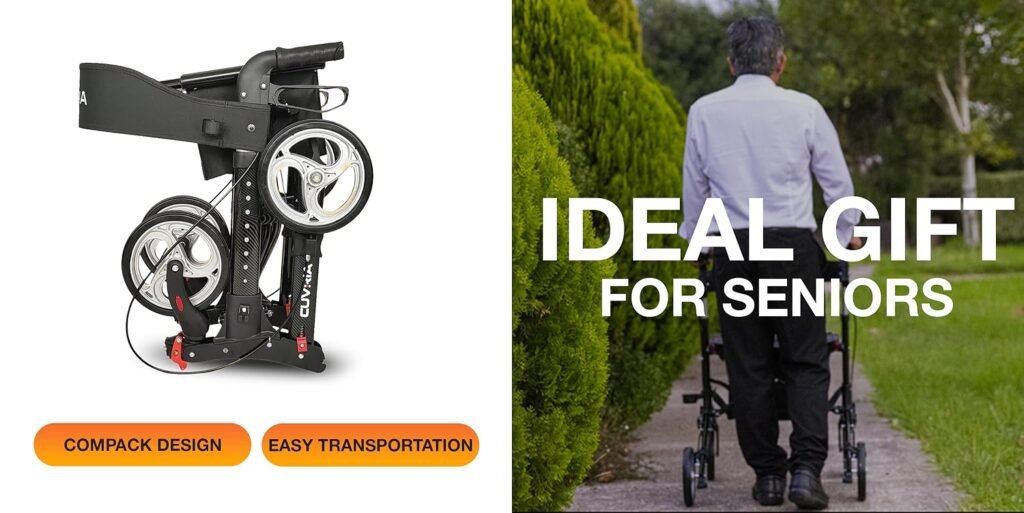
- Practice folding and unfolding the rollator.
-
- Check if it fits in your car or designated storage area.
7. UNDERSTANDING VALUE
When comparing rollator walkers, focus on comfort, safety, durability, and suitability for your needs rather than price alone. Features such as larger wheels, adjustable handles, comfortable seating, and easy folding mechanisms can significantly improve everyday usability and long-term satisfaction.
8. MAINTAINING YOUR ROLLATOR WALKER
Regular maintenance helps keep your rollator walker safe, comfortable, and reliable. A few simple checks can extend the lifespan of your mobility aid and ensure it continues to perform properly.
a) Regular Inspections
-
Check brakes, wheels, and frame for wear and tear.
-
Tighten loose screws or bolts.
b) Cleaning
-
Wipe down the frame and seat regularly.
-
Clean wheels to remove debris.
c) Storage
-
Store in a dry area to prevent rust and damage.
-
Avoid overloading storage compartments.
9. WHEN TO REPLACE YOUR ROLLATOR WALKER
A quality rollator walker can provide many years of reliable service. However, there may come a time when replacement is the safest and most practical option.
Signs It May Be Time to Replace Your Rollator Walker
- The frame is bent, cracked, or damaged.
- The brakes no longer operate correctly or cannot be adjusted.
- Wheels show excessive wear or no longer roll smoothly.
- The seat, backrest, or storage bag is damaged beyond repair.
- Your mobility needs have changed and the current rollator no longer provides adequate support.
Regular maintenance can extend the lifespan of your rollator walker, but safety should always be the top priority.
10. SHOPPING ONLINE FOR A ROLLATOR WALKER
Purchasing a rollator walker online can be a convenient way to compare features, specifications, and customer reviews from the comfort of your home. Before making a purchase, take the time to review the product dimensions, weight capacity, wheel size, and warranty information.
Before You Buy
- Confirm the handle height and seat height suit the user.
- Check the maximum weight capacity.
- Review customer feedback and product reviews.
- Ensure replacement parts and customer support are available.
- Understand the retailer’s delivery, warranty, and return policies.
Choosing a reputable Australian supplier can provide additional peace of mind and ongoing support if assistance is required.

conclusion
Choosing the best mobility aid is about finding the right balance of comfort, safety, mobility, and convenience. By understanding the different types of rollator walkers, comparing key features, and assessing your individual needs, you can make a confident and informed decision.
Whether you require a lightweight rollator walker for everyday use, a compact model for travel, or a larger rollator for added support, selecting the right mobility aid can help maintain independence and improve quality of life.
If you would like to explore a range of quality rollator walkers designed for Australian users, visit our shop to compare available models and find the option that best suits your needs.
For independent mobility and health advice, consult your healthcare professional or relevant health organisations.